
News & Updates
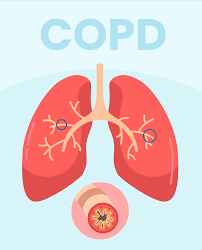
Effective Strategies for Managing COPD
Living with chronic obstructive pulmonary disease (COPD) can present unique challenges, but with the right management strategies, individuals with COPD can lead fulfilling lives while minimizing symptoms and flare-ups. In this blog post, we will explore practical tips and lifestyle changes that can help individuals effectively manage COPD, improve lung function, and enhance overall well-being.
First and foremost, it is crucial for individuals diagnosed with COPD to work closely with their healthcare team, which may include pulmonologists, respiratory therapists, and primary care physicians. Regular check-ups, medication management, and staying informed about the latest treatment options are essential components of managing COPD.
Following the prescribed medication regimen is crucial in managing COPD symptoms. Medications such as bronchodilators, corticosteroids, and antibiotics (in case of infections) help open airways, reduce inflammation, and prevent exacerbations. It is important to take medications as directed, and never skip or alter doses without consulting a healthcare professional.
Pulmonary rehabilitation programs provide comprehensive support for individuals with COPD. These programs typically include exercise training, breathing techniques, education about the condition, nutritional guidance, and counseling to help individuals manage COPD effectively and improve their quality of life. Consult with your healthcare team to find a suitable pulmonary rehabilitation program near you.
Regular exercise and physical activity can greatly improve lung function, strengthen muscles, and enhance overall endurance. Engaging in activities such as walking, swimming, cycling, and controlled breathing exercises can help maintain lung capacity and minimize breathlessness. Start with activities that are appropriate for your fitness level and gradually increase intensity, as advised by your healthcare professional.
Ensuring a clean and healthy living environment is essential for individuals with COPD. Reduce exposure to irritants and triggers such as cigarette smoke, pollutants, dust, and strong odors. Keep indoor areas well-ventilated, use air filters or purifiers, and consider removing carpets or other potential allergens that may worsen symptoms.
Keep a journal to track changes in symptoms, triggers, and overall lung function. Record factors such as breathlessness, coughing, wheezing, and use of rescue medications. This log can help you identify patterns, understand your triggers, and communicate effectively with your healthcare team.
Maintain a healthy lifestyle by adopting practices that support your overall well-being. Eat a balanced diet rich in fruits, vegetables, whole grains, and lean proteins to strengthen your immune system and promote optimal health. Stay hydrated, get sufficient rest, and prioritize stress management techniques such as meditation, relaxation exercises, and engaging in activities that bring you joy.
COPD can have a significant emotional impact on individuals. Seek emotional support networks through support groups, online communities, or counseling services. Sharing experiences, concerns, and strategies with others who understand what you’re going through can provide a valuable sense of belonging and help you manage the emotional aspects of living with COPD.
Remember, every individual’s journey with COPD is unique. It is important to consult with healthcare professionals and tailor management strategies to your specific needs. Empower yourself with knowledge, take control of your health, and embrace a positive mindset as you navigate life with COPD.