
News & Updates
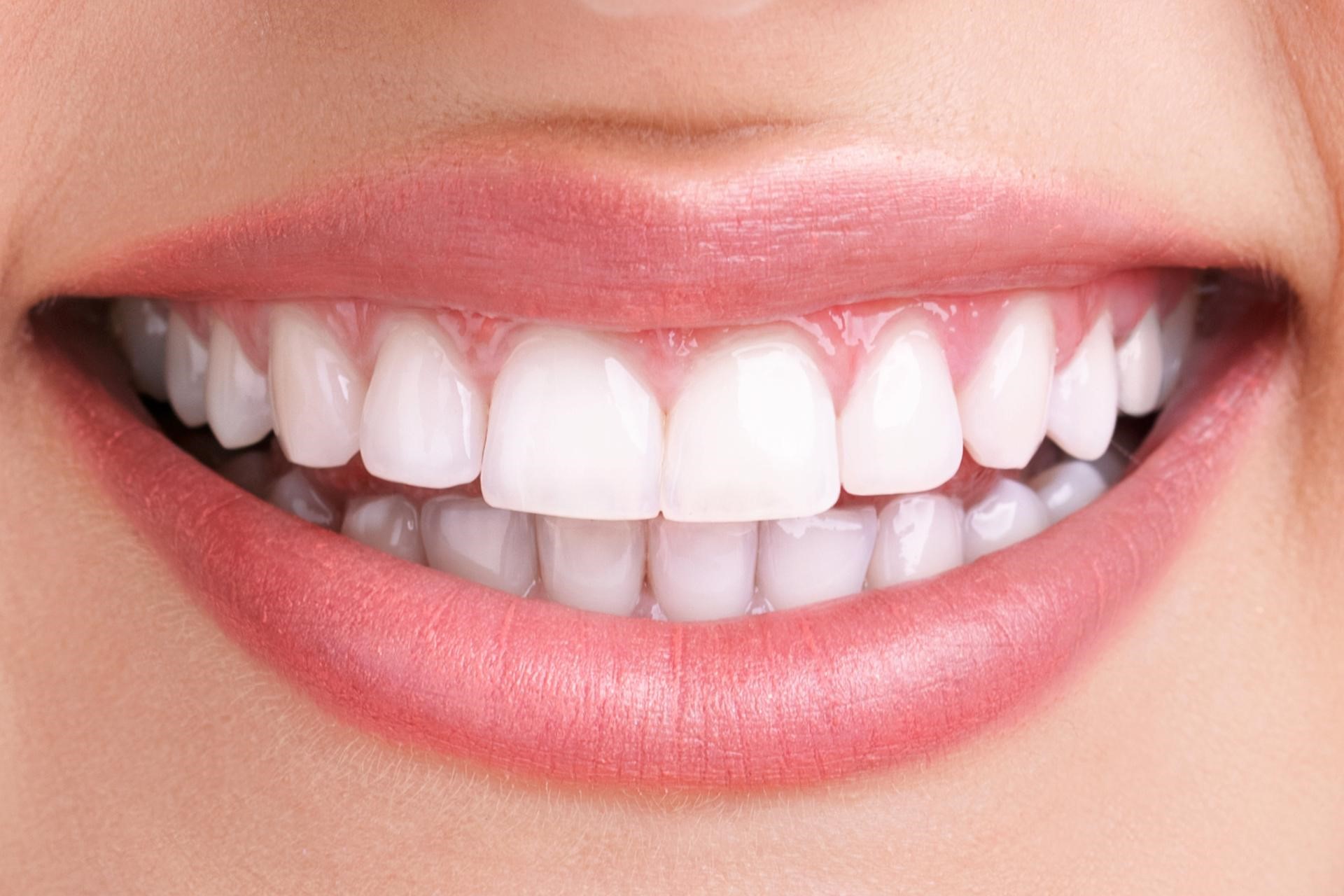
A Bright Smile: The Importance of Oral Hygiene
Maintaining proper oral hygiene is not just about having a dazzling smile; it is essential for overall health and well-being. Good oral hygiene practices, such as brushing, flossing, and routine dental check-ups, offer a multitude of benefits beyond fresh breath and white teeth. In this blog post, we will delve into the importance of oral hygiene and explore how adopting good dental habits can contribute to a healthier and happier life.
1. Preventing Tooth Decay and Gum Disease:
One of the primary reasons for practicing good oral hygiene is to prevent tooth decay and gum disease. Regular brushing and flossing help remove plaque, a sticky film of bacteria that accumulates on teeth. If left unchecked, plaque can lead to cavities, gum inflammation, and eventually gum disease. By maintaining consistent oral hygiene practices, you can significantly reduce the risk of these dental issues.
2. Enhancing Overall Health:
Oral health is closely linked to overall health. Research has shown that poor oral hygiene is associated with various systemic conditions including cardiovascular diseases, diabetes, respiratory infections, and even certain forms of cancer. Maintaining a healthy mouth reduces the risk of bacteria and inflammation spreading to other parts of the body, contributing to better overall well-being.
3. Preserving Teeth and Avoiding Tooth Loss:
Neglecting oral hygiene can lead to tooth loss and the need for costly dental procedures. Regular brushing, flossing, and professional cleanings help prevent tooth decay and gum disease. By practicing good oral hygiene, you can preserve your natural teeth, enjoy a stronger bite, and avoid the need for extensive dental treatments like extractions, implants, or dentures.
4. Promoting Fresh Breath and Improved Confidence:
Bad breath (halitosis) can be embarrassing and impact self-confidence. Poor oral hygiene allows bacteria to accumulate in the mouth, leading to unpleasant odors. By practicing regular brushing, flossing, and using mouthwash, you can combat bad breath, maintain fresh breath, and boost your confidence in social and professional interactions.
5. Setting a Positive Example for Others:
Good oral hygiene habits are best established from a young age. By setting a positive example, particularly for children, you can instill long-lasting habits that promote oral health throughout their lives. Demonstrate the importance of regular brushing and flossing, teach them proper techniques, and make dental visits a positive experience to inspire a lifetime of good oral hygiene practices.
6. Saving Time and Money:
Prevention is always better than cure, especially when it comes to dental health. By investing time in a daily oral hygiene routine and scheduling regular dental check-ups, you can catch and address any potential issues early on. Early detection and treatment of dental problems can save you both time and money in the long run, preventing the need for more extensive and costly procedures.
Maintaining good oral hygiene is essential for more than just a dazzling smile. By practicing regular brushing, flossing, and visiting your dentist for routine check-ups, you can prevent tooth decay, gum disease, and maintain overall health. Additionally, good oral hygiene promotes fresh breath, enhances confidence, and sets a positive example for others. Remember, a healthy smile not only looks good but also contributes to your well-being, so prioritize your oral health today for a healthier and happier tomorrow.